


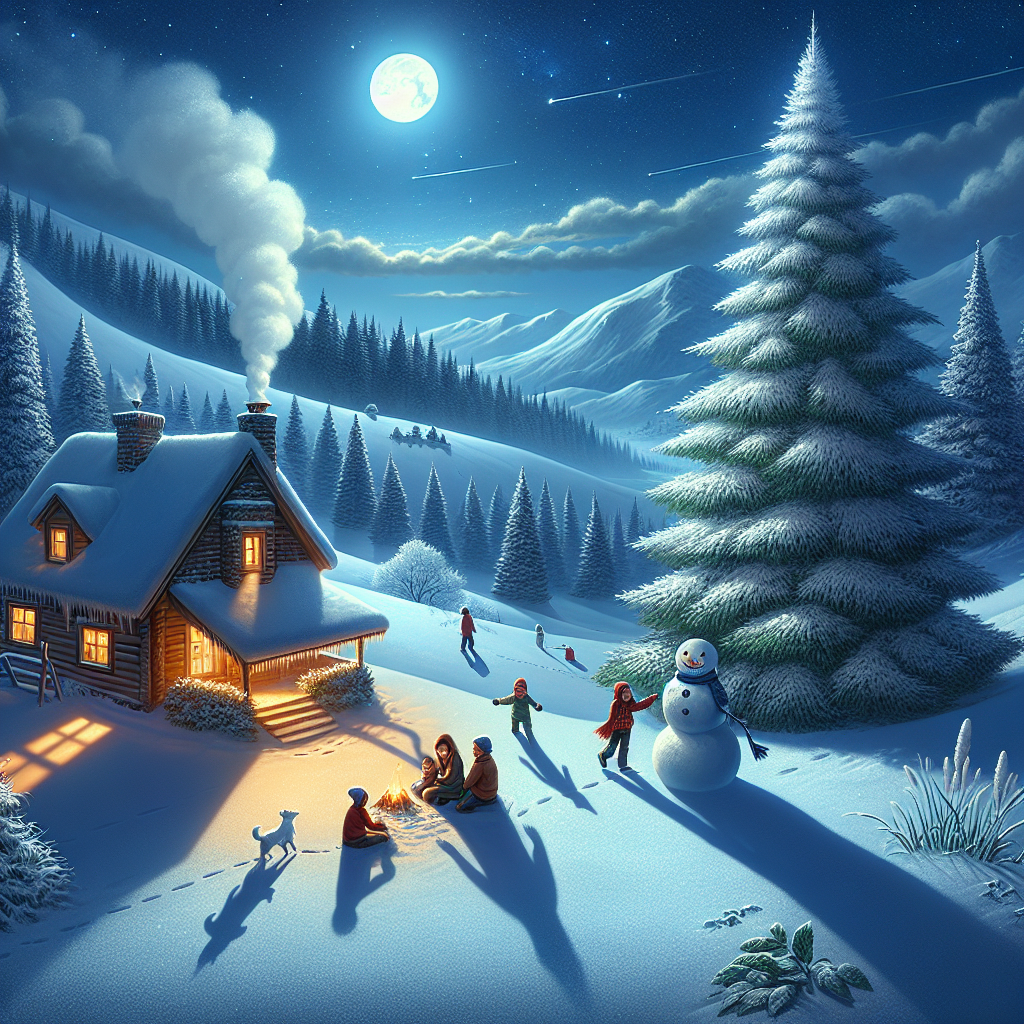
The winter solstice, occurring around December 21st in the Northern Hemisphere, marks one of nature’s most significant events: the shortest day and longest night of the year. It has been celebrated across cultures and eras as a time of introspection, renewal, and the promise of light returning to the world.
The Science Behind the Solstice
The winter solstice occurs when the Earth’s axial tilt is farthest from the sun, resulting in the sun’s lowest position in the sky at noon. This shift not only leads to shorter daylight hours but also creates unique astronomical phenomena. Many cultures have observed this astronomical event for millennia, recognizing its significance in the natural cycle of life.
Cultural Significance
Ancient Traditions
Many ancient civilizations observed and celebrated the winter solstice in their unique ways:
-
Stonehenge: In England, this prehistoric monument aligned with the sunrise on the summer solstice and the sunset on the winter solstice. Archaeologists believe it served as an astronomical calendar.
-
Ancient Romans: They celebrated Saturnalia, a festival in honor of Saturn, the god of agriculture. It was marked by feasting, gift-giving, and merrymaking, emphasizing the importance of community and light in the midst of winter’s darkness.
- Norse Culture: The Norse festival of Yule celebrated the return of the sun. Traditions like burning the Yule log and decorating with greenery originated from this time of year.
Modern Celebrations
In present-day societies, the winter solstice is celebrated in various ways, often intertwined with other cultural and religious observances:
-
Yule: Many neo-pagan and Wiccan traditions observe Yule as a time of reflection and the rekindling of hope. It is a time to honor the Earth and celebrate the returning light.
-
Festivals of Lights: Various cultures celebrate with lights to symbolize the return of the sun. Examples include Diwali, the Hindu Festival of Lights, and Hanukkah, the Jewish Festival of Lights, which both emphasize the theme of light in the darkness.
- Winter Solstice Festivals: In modern communities, festivities include bonfires, storytelling, and rituals that reflect on the past year while welcoming the new.
The Spiritual Aspect
The winter solstice represents more than a mere change in seasons; it serves as a moment for personal reflection and renewal. It is an opportunity to:
-
Reflect: Many people take time to contemplate their lives, goals, and relationships. It’s a time to consider what to release and what to nurture in the coming year.
-
Set Intentions: As daylight begins to increase, it is seen as an ideal time to set intentions or resolutions for personal growth and change.
- Connect with Nature: Embracing the solstice can encourage individuals to engage with the rhythms of nature, fostering greater appreciation for the cycles of life and the environment.
Celebrating the Solstice
Whether through community gatherings or individual reflection, the winter solstice can be celebrated in various meaningful ways:
-
Nature Walks: Take a walk in nature to observe the changes in the environment and reflect on the beauty of winter.
-
Candle Lighting: Light candles as a symbolic gesture to welcome back the sun and illuminate the darkness.
-
Feasting: Share a meal with family or friends, incorporating seasonal foods that celebrate the harvest and warmth of togetherness.
- Journaling: Write about the past year, what you’ve learned, and what you wish to cultivate moving forward.
Conclusion
The winter solstice stands as a reminder of nature’s cycles and the interconnectedness of all life. It invites us to celebrate the return of light, the promise of renewal, and the joy of togetherness. As we turn toward the longer days ahead, we can find solace and inspiration in honoring this ancient tradition, embracing both reflection and hope for the future.